Festive Herb Roast Turkey
Highlighted under: Summer Food
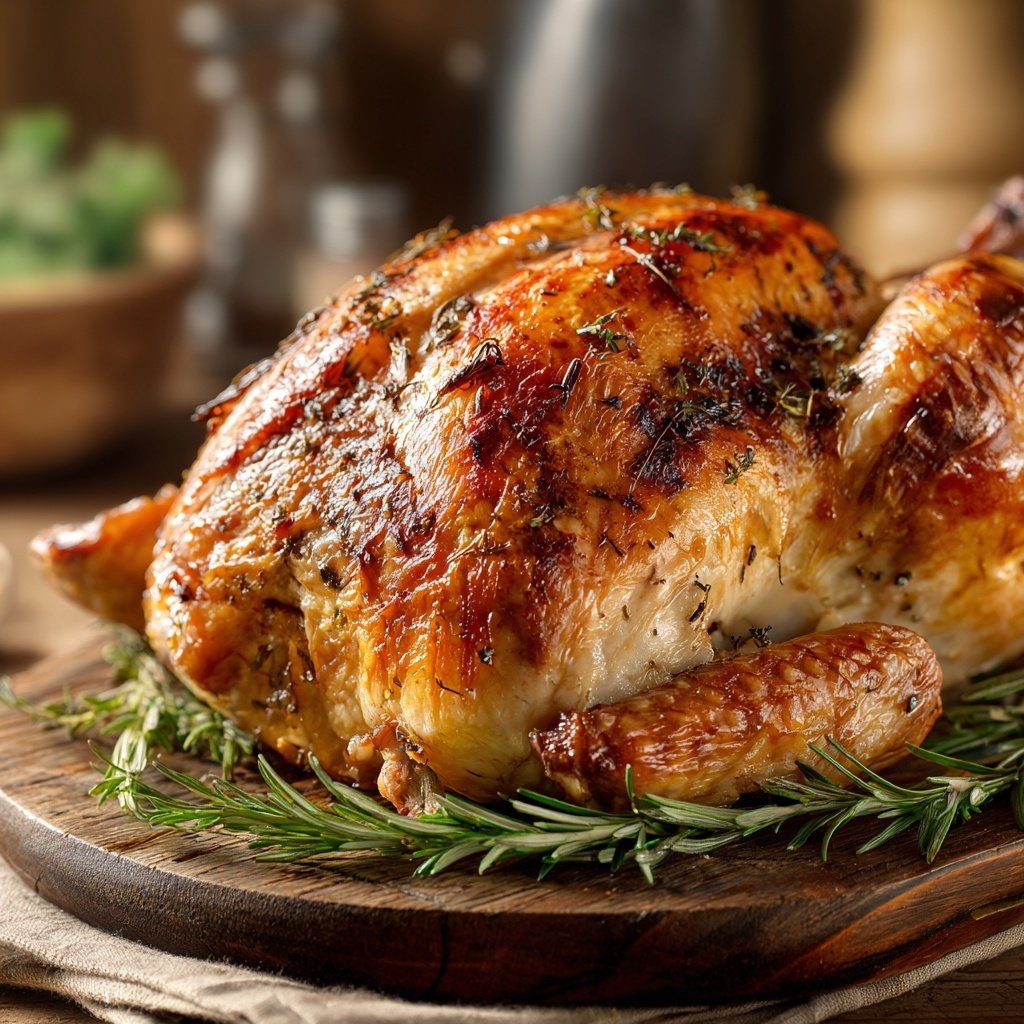
I couldn’t be more excited to share my Festive Herb Roast Turkey recipe with you! Every holiday gathering in our home is marked by the tantalizing aroma of herbs and spices wafting through the kitchen. As I prepare this turkey, I have perfected a blend of fresh herbs and zesty citrus that keeps the turkey moist and flavorful. It is truly a labor of love, and I can’t wait for you to experience the joy of bringing this impressive centerpiece to your table.
During the holidays, our family gathers around the table, and the turkey is the star of the show. I still remember the first time I attempted this Festive Herb Roast Turkey; I used a variety of herbs picked fresh from my garden. The result was beyond spectacular! The herb combination really complements the tenderness of the turkey.
Every year, I tweak the recipe slightly, and one tip I’ve learned is to brine the turkey overnight. This simple step makes a world of difference, yielding a bird that’s juicy and bursting with flavor. The citrus adds a brightness that perfectly balances the richness of the roasted turkey.
Why You'll Love This Recipe
- Aromatic blend of fresh herbs that elevate the turkey's flavor
- Moist and tender meat thanks to an overnight brine
- A stunning centerpiece for any festive occasion
The Importance of Brining
Brining is an essential step that significantly enhances the turkey's flavor and juiciness. By soaking the turkey in a mixture of kosher salt and brown sugar, you're allowing moisture to penetrate the meat. This not only helps to keep the meat moist during roasting but also infuses it with subtle flavors that enhance the overall taste. If you decide to brine, be sure to allocate at least 12 hours to thoroughly soak the turkey for optimal results.
The key to a successful brine is balancing saltiness with a hint of sweetness. The brown sugar not only helps with flavor but also aids in achieving that lovely golden-brown crust. Remember to rinse the turkey thoroughly after brining to ensure it’s not overly salty. If you’re short on time, skip the brining step, but be sure to generously season the surface to maintain flavor.
Choosing the Right Herbs
Selecting fresh herbs is crucial to achieving the vibrant flavors in this roast turkey. Thyme, rosemary, and sage each contribute unique aromatic notes that elevate the dish. For instance, rosemary brings a pine-like flavor that pairs beautifully with poultry, while thyme adds a touch of earthiness. When chopping your herbs, aim for a fine consistency to enhance their distribution under the skin and throughout the meat, making each bite deliciously herbaceous.
If fresh herbs are unavailable, dried herbs can be a suitable alternative. Use about one-third of the amount if you opt for dried—this means roughly 1 teaspoon of dried thyme, rosemary, and sage each. However, fresh herbs will always yield a more robust flavor, so choose wisely based on what's available.
Presentation and Serving Suggestions
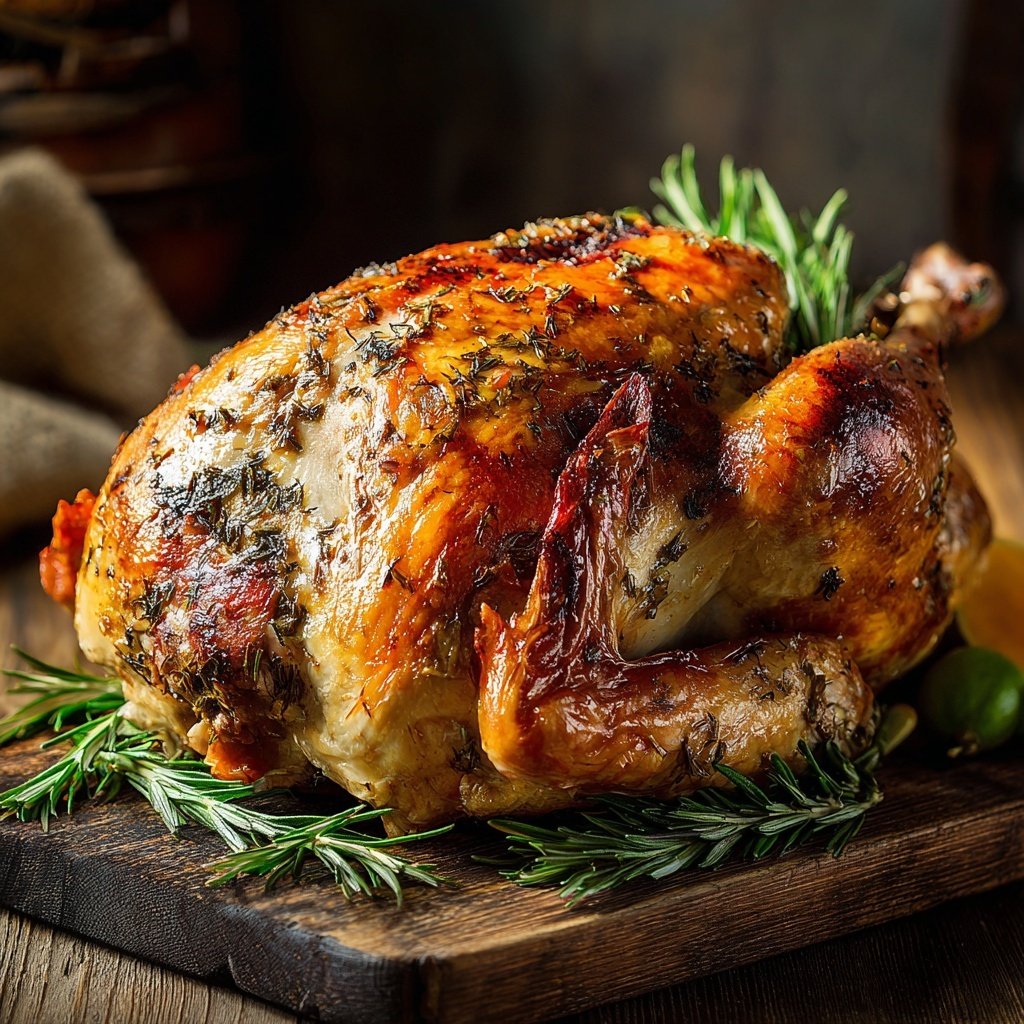
Once you've successfully roasted your turkey, the next step is presenting it beautifully. For an impressive display, transfer the turkey to a large cutting board and consider garnishing it with fresh herbs and citrus slices like lemon and oranges. This not only brightens the presentation but also reinforces the flavors you've married into the dish.
Pair your roast turkey with traditional sides such as stuffing, cranberry sauce, and roasted vegetables. For an unorthodox twist, consider a citrus-based stuffing or a wild rice pilaf that incorporates nuts and dried fruits. This adds complexity and makes the meal more festive. If you plan to serve the turkey the next day, carving it in advance can be helpful for sandwiches or salads.
Ingredients
Gather these ingredients to create a mouthwatering roast turkey:
Turkey & Seasoning
- 1 whole turkey (12-14 pounds)
- 1/2 cup unsalted butter, softened
- 1 tablespoon salt
- 1 tablespoon black pepper
- 2 tablespoons fresh thyme leaves
- 2 tablespoons fresh rosemary, chopped
- 2 tablespoons fresh sage, chopped
- Zest of 1 lemon
- Zest of 1 orange
- 1 cup low-sodium chicken broth
For Brining (Optional)
- 1 cup kosher salt
- 1/2 cup brown sugar
- 4 quarts water
- 1 onion, quartered
- 2 cloves garlic, crushed
Ensure all ingredients are fresh for the best flavor!
Instructions
Here’s how to perfectly roast your turkey:
Brine the Turkey (Optional)
In a large container, combine kosher salt, brown sugar, and water. Stir until dissolved, then add onion and garlic. Submerge the turkey in the brine, cover, and refrigerate overnight.
Prepare the Turkey
Preheat your oven to 325°F (165°C). If brined, rinse the turkey inside and out under cold water. Pat it dry with paper towels. Place the turkey in a roasting pan, breast-side up.
Season the Turkey
In a bowl, mix the softened butter with salt, black pepper, thyme, rosemary, sage, lemon zest, and orange zest. Rub this mixture both under the skin and on the outside of the turkey.
Roast the Turkey
Pour the chicken broth into the bottom of the roasting pan. Roast the turkey for about 3 hours, basting every 30 minutes. Use a meat thermometer to check the internal temperature, aiming for 165°F (75°C) in the thickest part of the thigh.
Rest and Serve
Once cooked, remove the turkey from the oven and let it rest for at least 20 minutes before carving. This allows the juices to redistribute for a more flavorful meal.
Enjoy your festive meal with family and friends!
Pro Tips
- For extra flavor, consider adding your favorite vegetables like carrots and celery to the roasting pan. They will complement the turkey beautifully and create a rich gravy base.
Leftover Storage and Ideas
After the festivities, it's important to store any leftover turkey properly. Allow the turkey to cool completely, then carve it and place the meat in airtight containers. Leftover turkey can last in the refrigerator for up to four days. For longer storage, consider freezing the meat, which can keep it fresh for up to three months. Just ensure you remove as much air as possible from the containers or bags to prevent freezer burn.
Leftover turkey is incredibly versatile; you can transform it into soups, salads, or casseroles. Consider making a turkey and wild rice soup packed with veggies for a cozy meal or throwing together a turkey salad with fresh greens and a tangy dressing for a lighter option. The possibilities are endless, and it’s a great way to minimize food waste!
Adjusting for Size
If you need to adjust this recipe for a smaller or larger turkey, the general rule of thumb is to roast the turkey for 13-15 minutes per pound at 325°F (165°C). A 10-pound turkey will take about 2.5-3 hours to cook, while a 16-pound bird may require up to 4 hours. Always check for doneness with a meat thermometer, aiming for an internal temperature of 165°F (75°C) in the thickest part of the thigh to ensure safety and taste.
When scaling down the recipe for a smaller bird, adjust the seasoning quantities accordingly. Though you want to maintain the herb blends for flavor, reduce the amount of butter slightly to avoid under-seasoning smaller turkeys. More importantly, keep the leftover brine measurement consistent, adjusting only the salt content to suit the size.
Troubleshooting Common Issues
One common issue is a dry turkey, which can occur if it’s overcooked or not brined properly. Keeping a close eye on the internal temperature using a meat thermometer will help prevent this. A good tip: try tenting the turkey with foil during the final hour of roasting to prevent over-browning if it begins to darken too much before it’s fully cooked.
If your turkey comes out too salty after brining, consider serving it with a fresh or fruity sauce to balance the flavors. A simple cranberry or apple sauce could provide a refreshing contrast. If you have leftovers that are too salty, incorporate them into soups or casseroles diluted with more ingredients to even out the saltiness.
Questions About Recipes
→ Can I prepare the turkey the night before?
Yes, you can season the turkey and keep it covered in the refrigerator overnight, which helps enhance the flavors.
→ What should I do if my turkey is cooking too quickly?
If the turkey is browning too fast, cover it loosely with aluminum foil to prevent over-browning while the inside continues to cook.
→ How do I know when the turkey is done?
Use a meat thermometer to check the internal temperature; it should reach 165°F (75°C) in the thickest part of the thigh.
→ Can I use frozen turkey?
Yes, just ensure to fully defrost it in the refrigerator before brining or cooking.
Festive Herb Roast Turkey
Created by: The Chefgarrettkitchen Team
Recipe Type: Summer Food
Skill Level: Intermediate
Final Quantity: 8-10 servings
What You'll Need
Turkey & Seasoning
- 1 whole turkey (12-14 pounds)
- 1/2 cup unsalted butter, softened
- 1 tablespoon salt
- 1 tablespoon black pepper
- 2 tablespoons fresh thyme leaves
- 2 tablespoons fresh rosemary, chopped
- 2 tablespoons fresh sage, chopped
- Zest of 1 lemon
- Zest of 1 orange
- 1 cup low-sodium chicken broth
For Brining (Optional)
- 1 cup kosher salt
- 1/2 cup brown sugar
- 4 quarts water
- 1 onion, quartered
- 2 cloves garlic, crushed
How-To Steps
In a large container, combine kosher salt, brown sugar, and water. Stir until dissolved, then add onion and garlic. Submerge the turkey in the brine, cover, and refrigerate overnight.
Preheat your oven to 325°F (165°C). If brined, rinse the turkey inside and out under cold water. Pat it dry with paper towels. Place the turkey in a roasting pan, breast-side up.
In a bowl, mix the softened butter with salt, black pepper, thyme, rosemary, sage, lemon zest, and orange zest. Rub this mixture both under the skin and on the outside of the turkey.
Pour the chicken broth into the bottom of the roasting pan. Roast the turkey for about 3 hours, basting every 30 minutes. Use a meat thermometer to check the internal temperature, aiming for 165°F (75°C) in the thickest part of the thigh.
Once cooked, remove the turkey from the oven and let it rest for at least 20 minutes before carving. This allows the juices to redistribute for a more flavorful meal.
Extra Tips
- For extra flavor, consider adding your favorite vegetables like carrots and celery to the roasting pan. They will complement the turkey beautifully and create a rich gravy base.
Nutritional Breakdown (Per Serving)
- Calories: 450 kcal
- Total Fat: 28g
- Saturated Fat: 10g
- Cholesterol: 130mg
- Sodium: 900mg
- Total Carbohydrates: 0g
- Dietary Fiber: 0g
- Sugars: 0g
- Protein: 39g